Uncategorised
William Leslie Comyn - Shipbuilding Company - S.S. Faith
William L. Comyn fue un distinguido hombre de negocios, armador de los primeros barcos de ferro-hormigón.
Durante la Primera Guerra Mundial, convencido de la necesidad de este tipo de barcos, intentó que diferentes astilleros construyeran barcos en ferro-hormigón.
Al no conseguir que ningún astillero se lo hiciera creo la San Francisco Shipbuilding Company -1917- en Oakland California.
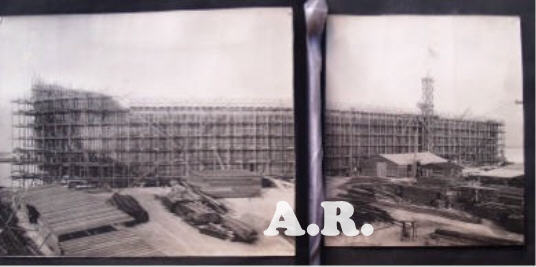
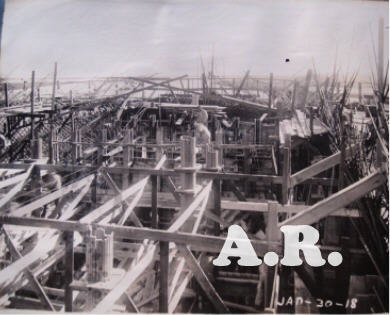
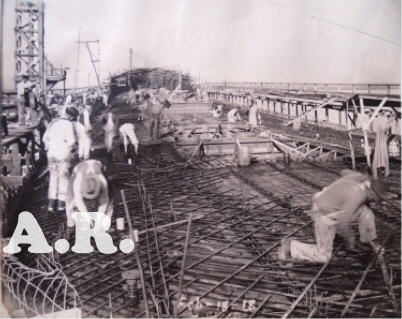
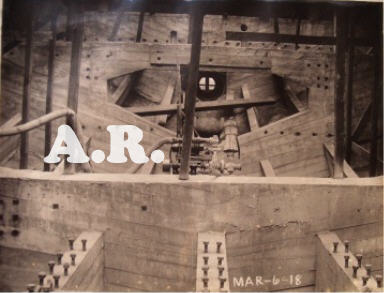
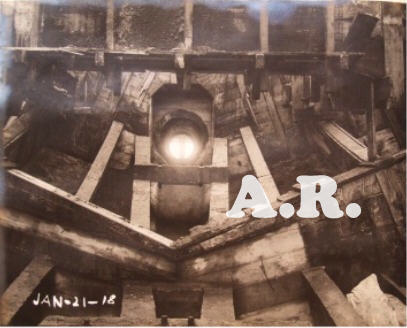
En Enero de 1918 comenzó la construcción del primer buque denominado Faith diseñado por Alan Macdonald y Victor Poss. Se terminó de construir el 18 de marzo de 1918.
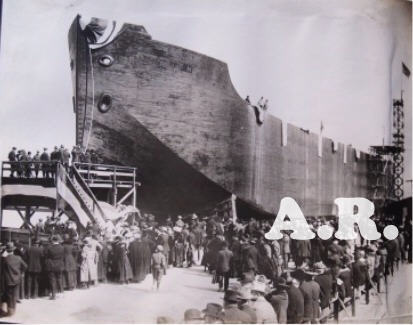
El Faith desplazaba 8000 toneladas y, en el momento de su botadura, era el barco de este tipo de mayor tamaño del mundo.
Los primeros viajes del S.S. Faith tuvieron como destino Honolulu, Balboa, Callao, Valparaíso y Nueva York.
En 1919 Comyn vendió su compañía a French American SS Lines.
Al acabar la Primera Guerra Mundial solo había 12 buques de este tipo en construcción, que fueron dedicados, por la terminación de la guerra al comercio.
En 1921 el SS Faith acabó sus días como rompeolas en la isla de Cuba habiéndose vendido a A. Marx and Sons Co.
Hoy en día no existen buques de este tipo en activo en ningún lugar del mundo, son ya parte de la historia de la navegación, otros barcos de costa mas barato provocaron su desaparición.
Dimensiones:
-
97,54 x 13,56 x 6,86 m
-
2 Máquinas de vapor de triple expansión. 1700 hp. 10 nudos.
Véase
-
Leslie Comyn - http://en.wikipedia.org/wiki/William_Leslie_Comyn
-
Web de barcos de ferro hormigón - http://www.concreteships.org/history/
-
Noticia en el New York Times sobre su botadura - http://query.nytimes.com/gst/abstract.html?res=9F03E3DF103BEE3ABC4D52DFB5668383609EDE
-
Artículos del New York Times referentes a sus primeros viajes:
-
Historia de los barcos de hormigón:
- Datos de San Francisco Shipping Company - http://www.mareud.com/Ferro-Concrete/san_francisco_shipbuilding_company.html
- Véase también su cronología en el San Diego History
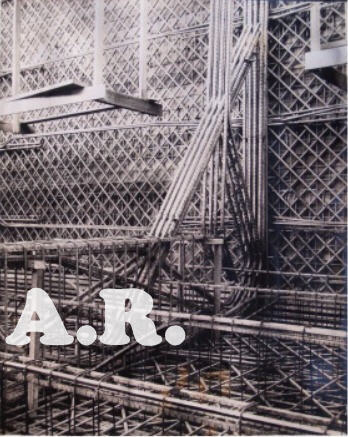
- "Faith" left San Francisco 22 May on her first voyage commercial with a cargo of rock salt and copper ore assigned to Seattle. She traded in the eastern Pacific, Caribbean, and North Atlantic until December 1921. While not a standard prototype Faith nonetheless set parameters used to delineate 'stone' ships that followed. She was built on longitudinal framing joining transverse frames set 16 feet apart. Lugged bars woven in a diagonal mesh were encased in concrete, the skin
being part of the framing. Her bottom was 4 1/2" thick, sides 4", and shelter decks 3 to 3 1/2". There were 7 watertight bulkheads. Her principal measurements were 320 x 44.5 x 27.7. Bethlehem Shipbuilding Company of Alameda provided a 1750 hp triple expansion engine that was 24" x 39" x 65" and 42". Gross tonnage was 3,427 and net 2,071; displacement was 4,500 tons.
- "Faith" left San Francisco 22 May on her first voyage commercial with a cargo of rock salt and copper ore assigned to Seattle. She traded in the eastern Pacific, Caribbean, and North Atlantic until December 1921. While not a standard prototype Faith nonetheless set parameters used to delineate 'stone' ships that followed. She was built on longitudinal framing joining transverse frames set 16 feet apart. Lugged bars woven in a diagonal mesh were encased in concrete, the skin
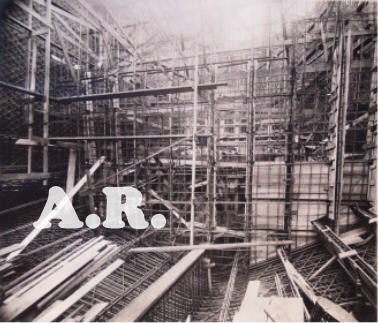
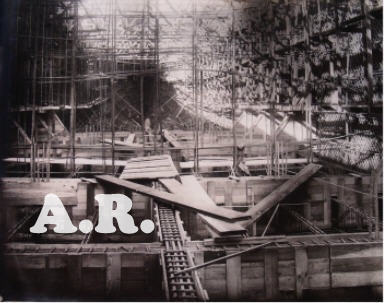
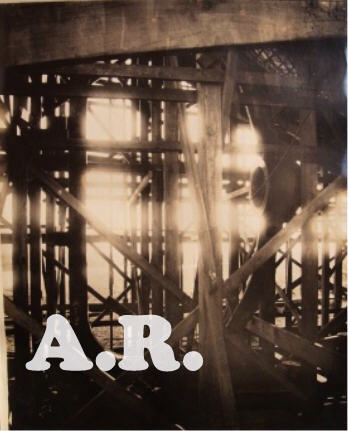
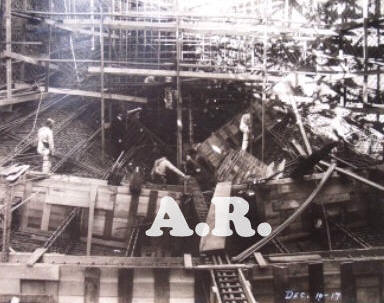
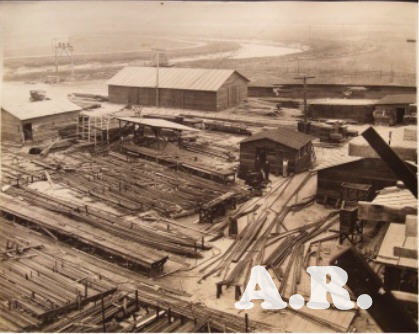
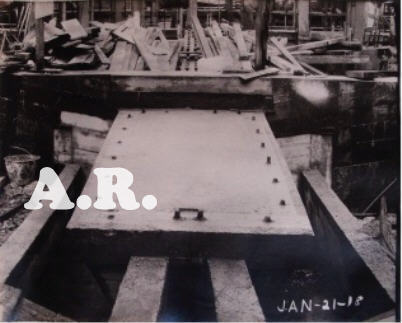
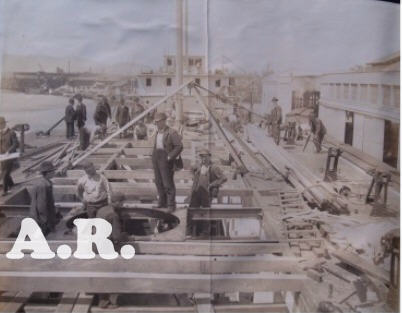
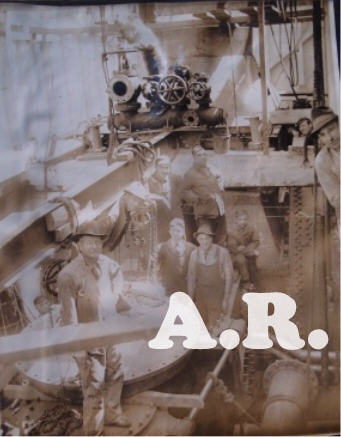
El autor de las fotos es Service Studio Foto 123 Market St. según se ven en el pie de foto de la segunda de la serie. Son fotos de gran calidad, muchas de ellas con obreros. En algún caso el obrero no esta atento al fotógrafo y su imagen sale movida dando especial misterio a la imagen.
Alguna foto lleva una pequeña firma impresa como se ve en una imagen reproducida a continuación:
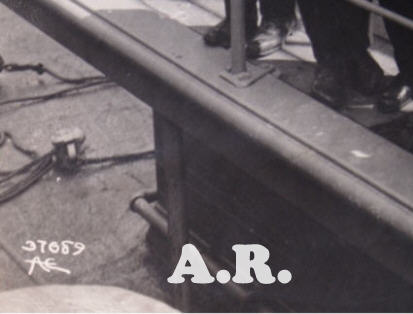
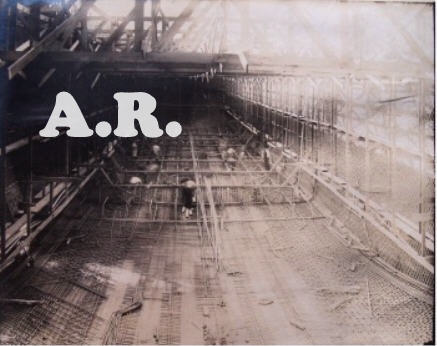
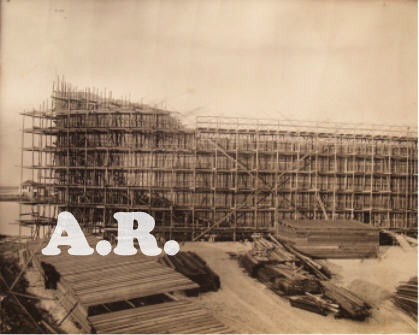
A continuación tiene las 103 imágenes de las fotos del album de la construcción del SS Faith, el primer barco de hormigón de Estados Unidos.
| LA CONSTRUCCIÓN | |
 |
 |
 |
 |
 |
|
 |
 |
 |
 |
 |
 |
 |
 |
 |
 |
 |
 |
 |
|
 |
 |
 |
 |
 |
 |
 |
 |
 |
 |
 |
 |
 |
 |
 |
 |
 |
 |
 |
 |
 |
 |
 |
 |
 |
 |
 |
 |
 |
 |
 |
 |
 |
 |
 |
 |
 |
 |
 |
 |
 |
 |
 |
 |
 |
 |
 |
 |
 |
 |
 |
 |
 |
 |
 |
 |
 |
 |
 |
 |
 |
 |
 |
 |
 |
 |
 |
 |
 |
 |
 |
 |
 |
 |
 |
 |
 |
|
| THE TRIP | |
 |
 |
 |
 |
 |
 |
| ADDITIONAL PAGES | |
 |
 |
 |
|
Está formado por más de 100 fotografías en blanco y negro sobre cartulina blanda. Las fotografías de gran calidad recogen, con fechas, todo el proceso de construcción del barco.
En su compra se incluía un sobre con la siguiente frase "Nicolson/launching of the Faith March 14, 1918". Según indicaciones del vendedor, que no he podido contrastar, Nicolson fue un ingeniero de la San Francisco Shipbuilding Company y su imagen figura en alguna de las fotografías.
Pegada a la tapa de portada figuran dos pequeños recortes de periódico
-
Uno con imagen y el siguiente texto:
Carrying a General Cargo the concrete ship Faith. Passing through Gaillard Cut Panama Canal en route from New York to Valparaiso on the Stone Hull has been conclusively demonstrated by this vessel, which has Weathered heavy storms an travelled thousands of miles during the past year.
-
Otro pequeño texto sin imagen
N.Y. Gets sugar in Concrete ship Faith
By associated press
New York Nov. 21.
The American steamship Faith, the largest concrete ship in the world, launched March 14 last on the Pacific Coast as an experiment in this metod of construction, arrived here today with a cargo of sugar from Cuba
-
En la tapa posterior lleva una pequeña etiqueta:
The ideal
To duplicate order
Nº 7633 B
Made by
The J.L. Hanson Co.
Chicago
-
Al final del álbum se recoge un recorte de periódico de
Francisco Chronicle
Good Ship “Faith”
Home to start on new adventures
Concrete craft wins high praise from owners and master
Unmindful of war or peace, strikes or storms, the reinforced concrete ship Faith continues on her even way, plying the waves or every ocean. No see too rough, no gale too high for this sturdy twentieth century marvel.
For her maiden voyage the Faith took a taste of the Pacific, going from San Francisco, the city of her birth, to Vancouver, thence back to the Panama Canal. Forty and sixty miles Pacific gales failed to ruffle her temper, much less to strain her in seams. Having thus convinced all doubters or her sea worthiness, the Faith slid up to New York, where she received the homage of innumerable admirers.
Getting back into her element she betook herself to South American waters and upon her return set sail for England. While there she was minutely examined for lines of care or distress, bur none was found. Her captain said that in his thirty years experience of life on the ocean waves he had not met with any boat to equal to this one. And her owners said: It is needless for us to say that the boat took not an inch of water, as she is one of the stanchest sea boats afloat.
Now the Faith has returned home in quest of new glories. It is said she will soon be on her way to a new and distant continent.
Wherever she goes the Faith “delivers the goods”

CONSTRUCCIÓN DEL SS FAITH, EL PRIMER BARCO DE HORMIGÓN ARMADO DE LOS ESTADOS UNIDOS
El presenta álbum recoge todo el proceso de construcción del S.S. Faith (Steam Ship) que fue el primer barco construido en base a dos materiales, hierro y hormigón, que hasta la fecha de botadura de este barco nunca habían sido utilizados conjuntamente.
La ventaja de estos materiales es que son baratos y fáciles de encontrar pero su desventaja es su elevado costo de fabricación y de funcionamiento
En Europa existieron algunos barcos de este tipo usados en navegación fluvial (del tipo barcaza) usados desde 1860.
En Estados Unidos durante el transcurso de la Primera Guerra Mundial se construyo una pequeña flota de este tipo de barcos de los cuales el S.S. Faith fue el primero botado el 14 de Marzo de 1918.
Durante la Segunda Guerra Mundial se construyeron con estos materiales algunas barcazas que sirvieron de apoyo en maniobras de desembarco tanto en Europa (Día D Normandía) como en el Pacífico.
En los años 30 también se diseñaron algunos barcos de recreo con estos materiales.
Link: