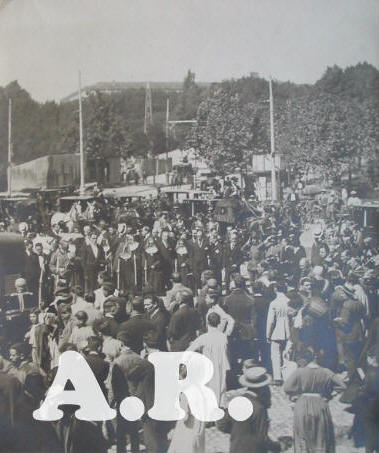
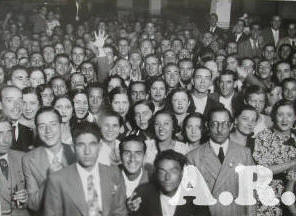
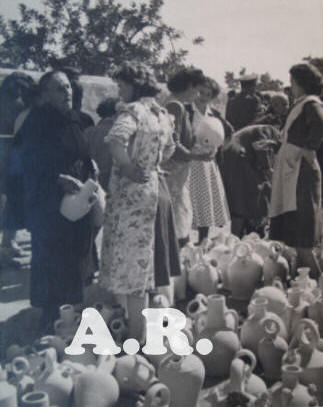
Fotografías antiguas de España de 1930-1940, incluyendo fotografías antiguas de la guerra civil española.
Spanish Civil War Photographers (Introduction: The Spanish Civil War and War Photography in the 1930s)
Text and arrangement by Matt Crawford
http://orpheus.ucsd.edu/speccoll/swphotojournalism/
“The significance of the Spanish Civil War as major event in Spanish and European history is well-known. Beyond the implications of the civil war in terms of Spain's own history, the war is viewed, retrospectively, as a prelude to the larger ideological conflicts between fascism, communism, and democracy that eventually consumed all of Europe in World War II. The Spanish Civil War is also remembered as a testing ground for new techniques and technologies of both twentieth-century warfare - as immortalized in the bombing of Guernica - and twentieth-century media as represented by the rise of war photography and photojournalism.
In addition to being an important political event of the twentieth century, the Spanish Civil War was the catalyst for some of the most dramatic imagery of the last century. Among the most striking images are photographs of the war and its effects. Robert Capa's "Death of a Loyalist Militiaman" (1937) is perhaps the most iconic photograph from the Spanish Civil War and remains one of the most acclaimed war photographs of the twentieth century. Capa and the other well-known photographers of the period, such as Gerda Taro and David Seymour, are often cited as the primary representatives of early twentieth-century war photography. Undoubtedly, the contribution of Capa, Taro, Seymour and other famous photographers was significant. Yet, focusing solely on the work of well-known photographers tends to obscure from our historical view the work that many other, often anonymous, photographers contributed. With one exception, all of the works here are anonymous aside from a copyright stamp by the news photo agency."
Exposición Alfonso. Agencia Alfonso
Universidad de Castilla la Mancha
http://www.uclm.es/ceclm/alfonso/exposicion.htm
“La firma ALFONSO apareció por primera vez en la prensa en 1904, cuando el célebre periodista Julio Burell llamó a Alfonso Sánchez García (Ciudad Real, 1880-Madrid, 1953) para dirigir la sección de fotografía del diario El Gráfico. Desde enton-ces, la celebridad de aquel fotógrafo casi adolescente no hizo más que crecer, tras sus celebrados reportajes de la revolución portuguesa (1909), las sucesivas campañas de Marruecos (1909-192l), la ejecución del tristemente célebre capitán Sánchez (1913), la Huelga General (1917), el vuelo del Plus Ultra (1926), las sublevaciones de Jaca y Cua-tro Vientos (1930), o la jubilosa proclamación de la República (1931). Cuando en 1923, el general Primo de Rivera dejó en suspenso la Constitución, todas las publicaciones gráficas se disputaron su trabajo, pese a su conocida vinculación con La Libertad, El Sol, y otros diarios republicanos y democráticos de la época. Nadie le discutía entonces un lugar de privilegio en la jerarquía laboral del periodismo gráfico madrileño, gracias a su talento para el reportaje, a su natural instinto y penetración, su sorprendente ubicuidad, y una afición por su oficio que le distinguió del resto de sus colegas.”
Links:
Agencia española de información gráfica creada por Vicente Gallego durante la Guerra Civil como sección de la agencia EFE. El nombre es acrónimo de Crónicas, Informaciones, Fotografías y Reportajes de Actualidad. Entre enero y abril de 1939 se centró en la cobertura gráfica de la guerra y sus imágenes se publicaron en la prensa extranjera y en los diarios españoles Faro de Vigo, ABC (Sevilla), Sur (Málaga), Noticiero (Zaragoza), Hierro (Bilbao) y Alerta (Santander). Los primeros fotógrafos de la agencia fueron Hermes Pato, Antonio Verdugo y Manuel Iglesias, que contaron con un laboratorio en el que revelaba y positivaba Aurelia Pérez Iglesias)
GC-Caja/42 (Sello en tinta al verso: "ACTUALIDADES / GRÁFICAS / C.I.F.R.A. / Avenida del Generalísimo Franco, 5 / BURGOS") ;
p. 719 (En 1939, EFE decide que los servicios informativos se firmen con nombres distintos: EFE, el internacional; CIFRA, el nacional; CIFRA Gráfica, el gráfico y ALFIL, el deportivo. Se trasladan las oficinas de Burgos a Madrid) p. 721 (En 1978. Las marcas CIFRA, CIFRA-GRÁFICA y ALFIL desaparecen)
Todos los comentarios aquí representados fueron escritos por la Agencia al dorso de las fotografías.
All comments on the photos were written by the Agency at the back of each photo.
|
PHOTOS |
NOTES |
|
|
Agencia Cifra La conquista de Gerona por el ejercito Nacionalista 10-2-1939 Blog:Fotografía antigua guerra civil española Gerona. Agencia Cifra |
|
|
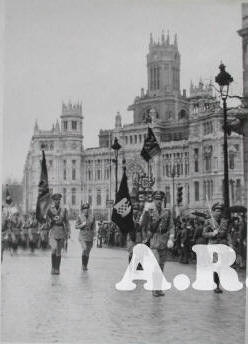
Agencia Cifra 1938 Tropas alemanas desfilando en la Plaza de la Cibeles de Madrid,con motivo del II aniversario de la Victoria |
|
|
Madrid delante del Palacio Real . Presentacion de credenciales ante Franco Guardia Mora |
|
|
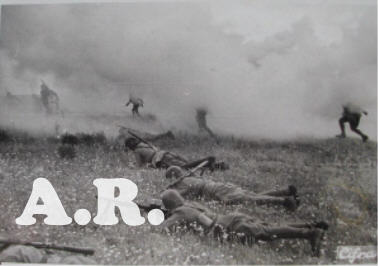
Las lineas de fuego fueron el cuartel y el aula donde aprendieron el arte militar los hombres de la infantería de Franco Guerra Civil (1936-1939) |
|
|
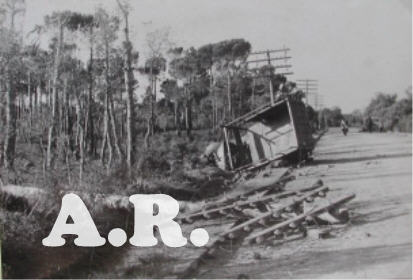
Agencia Cifra El Parque del Retiro , de Madrid, ha sido convertido por los rojos en un inmenso cementerio del automovil. Inmediaciones del Monumento a Cajal 14-4-39 Blog:Fotografia antigua. Guerra civil española. Parque del Retiro Madrid. Foto agencia Cifra |
|
|
1929 |
|
|
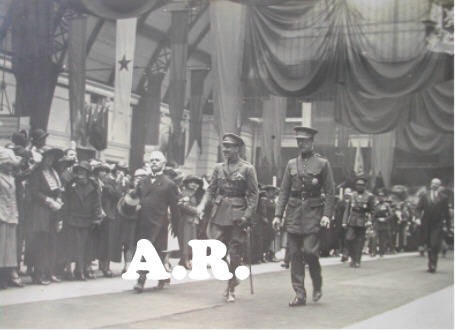
Fotógrafo Sertres Bélgica 1929 Alfonso XIII de viaje en Amberes |
|
|
Fotógrafo Sertres Bélgica. Amberes 1929 |
|
|
Fotógrafo Sertres Bélgica. Amberes 1929 Alfonso XIII de viaje en Amberes |
|
|
Fotógrafo Sertres Bélgica 1929 Alfonso XIII de viaje en Amberes |
|
|
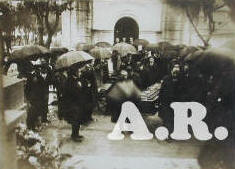
Madrid. 1930 Entierro |
|
|
Fotógrafo desconocido c. 1930 Entierro |
|
|
Pésame en la calle. c. 1930
|
|
|
Fotógrafo Agencia Alfonso c. 1930 Blog:Fotografía Alfonso García Sánchez, Alfonso García Portela. Actualización de datos |
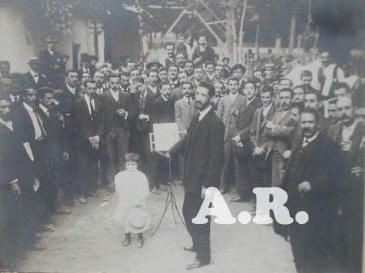 |
Blog:Fotografía antigua. Músicos en el Retiro. Fotógrafo Francisco Goñi |
|
|
Fotógrafo Fer. Urbahns Kiel c. 1928.Mujeres Falangistas en Alemania Blog:Fotografía antigua Guerra Civil Española Mujeres falangistas en Alemania 1938 |
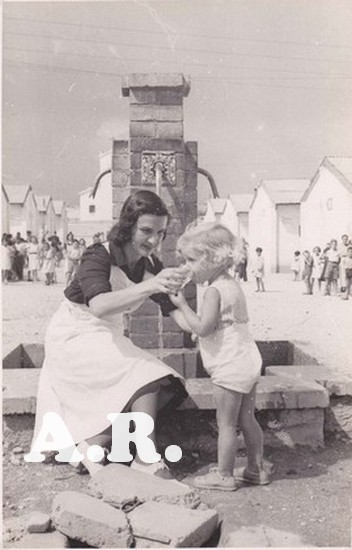 |
Fotógrafo Luis Hess C. 1945 Madrid.Auxilio social |
 |
Fotógrafo Luis Hess C. 1945 Madrid Auxilio social |
 |
Fotógrafo Luis Hess C. 1945 Madrid Auxilio social |
 |
Fotógrafo Luis Hess C. 1945 Madrid Auxilio social |
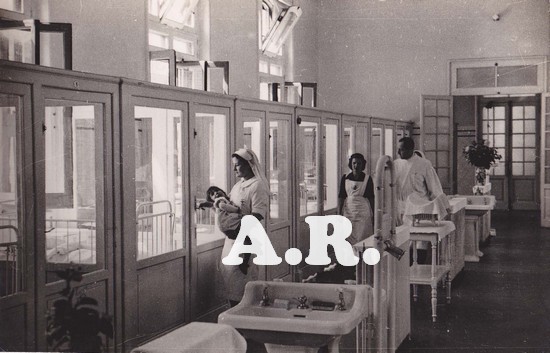 |
Fotógrafo Luis Hess C. 1945 Madrid Auxilio social |
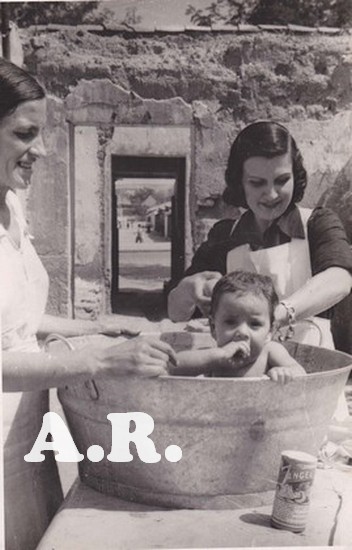 |
Fotógrafo Luis Hess C. 1945 Madrid.Auxilio social Foto reproducida en : |
 |
Fotógrafo Luis Hess C. 1945 Madrid Auxilio social |
 |
Fotógrafo Luis Hess C. 1945 Madrid Auxilio social |
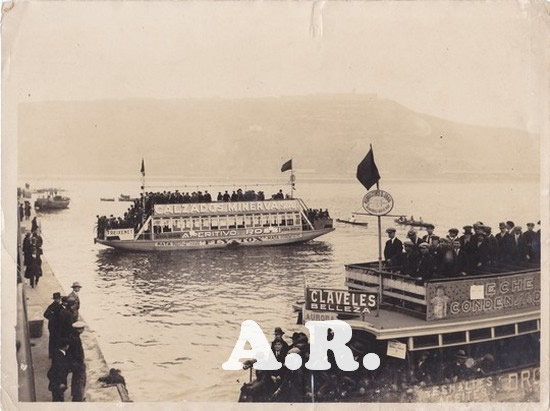 |
Fotógrafo Jose M. Sagarra c.1940 Barcos con anuncios Barcelona |