Uncategorised
ENGLISH
These pictures belong to a luxuriously bound album entitled
Duran Asylum Reform School BarcelonaWith these data, one begins to see the pictures and can not help but think, believe, that we are facing an exemplary middle school teaching.
In the first pictures you look, not realizing at all, which has high fences which should make us think a little about the word reform that brings the album.But a stroll through the photos shows young people from 10-15 years properly dressed, almost well dressed, in a peaceful environment as we learn different trades are indicating captions.In short an album dedicated, as we read in the first pageEugenio Cuello Calon (Salamanca, 1879, Santander, 1963) Spanish lawyer. He was a professor of criminal law at the universities of Barcelona and Madrid. He wrote several books, among which criminal law: Penology (1920) and the new penology (1958)Seeking information on this meeting that a publication lawyer tells us that he was one of those involved in the child justice reform in Spain
The reception of the doctrines correccionalistas in Spain.Education policies and methodologies psychoeducationalAngel C. Barcelona MoreuUniversidad............. According Neck, the true sense of the new relationships that were established between the child and justice had to be:protect and safeguard all children abandoned, abused, all minors vicious, devoid of moral support, whether or not criminal in the legal sense. The fact that the child has committed a crime, in most cases there is more than an accident, many children who have not broken the laws are more dangerous and are in most need of reforming others who have committed crimes .......... Neck juvenile justice saw as a means of safeguarding the rights of a group of children that society or nature had led to a situation of need or distress that had to mitigate and, where appropriate, correct ..... ....In summaryAn album that shows the goodness of this school dedicated to a jurist who dedicated his life to that end.But none of that is true when we started looking for information on the Internet Duran Asylum.The photographs we hide the reality of the center, are propaganda by a photographer by profession and planned staging.The Asylum was led by members of the religious congregation of St. Peter ad Vincula
However, the reality that we have these pictures, the friendly nature documentary hide the light of the data of other publications that the reality was different, it was a hard center:
PROVINCIAL BOARD OF CHILD PROTECTION OF BARCELONA, 1908-1985: HISTORICAL APPROACH AND MONITORING
Carlos Sanchez Valverde
Publications of the Government of Catalonia
The Asylum Duran: the example of what not to be
Duran Toribio of asylum, we've talked. In fact a company is diligent, because this institution, mixed (half public, half private), which was originally located in the parish of Santa Maria de Gracia and, later, moved to the street Vilana Sarrià (to rooms today the clinic is located Teknon) itself could well serve as a thread of a story of reform centers in Barcelona, by continuity and longevity.
And yet, as an exponent of the tradition of closed residential centers dedicated to children and youth with social adjustment problems, socio little control centers, generally in the hands of religious orders lower, with a staff that did not have the slightest degree of teacher training and thought everything was solved with "belts and prayers" model that has had many followers in our history care.
The Asylum Durán de Barcelona was heir of the first houses that the City Reforma created at the beginning of the nineteenth century, and acquired its definitive joint as a result of a donation from businessman patron Toribio Durán, which enabled the construction of the center and its opening in 1890. Was organized as a center of reform, paternal and criminal youth, using the special law reform Homes January 1883.
The pictures reproduced
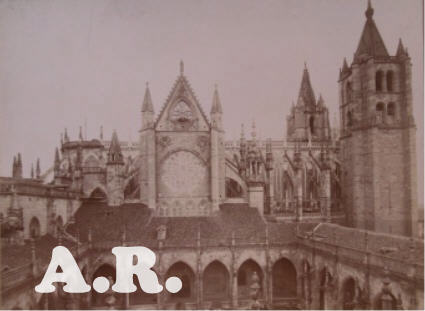
old building
facade
Carpinteria
Torneria
Body Repair
Locksmith
metalwork
dining room
Classroom
bedroom
Drawing room
Party room
In order to teach an old photo that is not always true, was taught reality.
The photo tricks, disguises, teach, remember, many are qualities or defects as we think we have the photos but in any case documented a while but do not by themselves, need to know their environment to understand the issue.
Here, photographer certainly fulfilled the order received and possibly it was unaware of the background of what was photographing, of course you always have to keep in mind that
"when we judge past events must make under the laws of the time," then we can compare with the current laws.

Esta dedicado a: Eugenio Cuello Calón (Salamanca, 1879-Santander, 1963) Jurista español. Fue catedrático de derecho penal en las universidades de Barcelona y de Madrid. Escribió diversas obras, entre las que destacan Derecho penal: Penología (1920) y La nueva penología (1958)
Consta de las siguientes 12 fotos-gelatino bromuro de 16x23 cm sobre cartón duro orlado de línea blanca.
Tamaño cartón gris de 26x31, 5cm.
En cada página indica el nombre del aula o zona representado debajo de la foto y, en la parte superior de la foto todas llevan “Asilo Toribio Durán Escuela de Reforma de Barcelona”
Según los propios documentos del Asilo éste era conocido con el nombre de
Asilo Toribio Durán : Escuela de reforma para jóvenes rebeldes, depravados y delincuentes : Breve noticia de su fundación, , organización y resultados
Imprenta Asilo Durán 1881
El Asilo era llevado por lo miembros de la Congregación religiosa de San Pedro Ad Víncula.
En el documento siguiente nos informa cual era la verdad de este asilo
LA JUNTA PROVINCIAL DE PROTECCIÓN A LA INFANCIA DE BARCELONA, 1908-1985:APROXIMACIÓN Y SEGUIMIENTO HISTÓRICO
Carlos Sánchez Valverde
Publicaciones de la Generalidad de Cataluña
El Asilo Durán: el ejemplo de lo que no ha de ser
Del Asilo Toribio Durán, ya hemos hablado. De hecho es una compañía asidua, porque esta institución, mixta (medio pública, medio privada), que originalmente estuvo ubicada en la parroquia de Santa Maria de Gràcia y, más adelante, se traslada a la calle Vilana de Sarrià (a los locales donde hoy se encuentra ubicada la clínica Teknon), bien podría en sí misma servir como hilo conductor de una historia de los centros de reforma en Barcelona, por su continuidad y longevidad.
Y más aún, como exponente de la tradición de centros residenciales cerrados dedicados a niños y jóvenes con problemas de adaptación social, centros con poco control socioprofesional, generalmente, en manos de órdenes religiosas menores, con un personal que no tenía el más mínimo grado de formación pedagógica y que creía que todo se solucionaba con “correas y oraciones”, modelo que ha tenido muchos seguidores en nuestra historia asistencial.
El Asilo Durán de Barcelona era heredero de las primeras Casas de Reforma que el Ayuntamiento creó al comienzo del siglo xIx, y adquirió su articulación definitiva como consecuencia de una donación del empresario mecenas Toribio Durán, la cual posibilitó la construcción del centro y su inauguración en 1890. Se organizó como centro de reforma, paterna y penal, para jóvenes, aprovechando la ley especial de Casas de Reforma de enero de 1883.
- El escritor Michel del Castillo en su libro Tanguy nos relata su experiencia, dura experiencia, de su vida de joven en el asilo
El Asilo estaba en el lugar ocupado actualmente por la Clínica Teknon
En la revista de
PELLICER (D. JOSÉ), natural de Barcelona, Maestro de obras. Reside en Gracia, calle de Córcega, 177, bajos. N.° 1136 —Proyecto del Hospital T. Duran, para construirse en Castellón de Ampurias (cuatro cuadros). Dos plantas: fachada alto l'00 metros, ancho O,87 metros.— Sección : alto 1’80 metros, ancho 0-70.— Vista perspectiva de conjunto; alto 1,90 metros, ancho 0,70 metros. N.° 1137 — Proyecto de Asilo Toribio Duran, construido en Gracia (cuatro cuadros). Dos plantas; alto 1'25 metros, ancho 1*00 metros. — Fachada; alto 1"25 metros, ancho 0'60 metros. Para sola exposición.
No figura dato alguno del fotógrafo si bien es fácil suponer que un encargo de este tipo se realiza a un buen profesional, posiblemente de Barcelona dada la importancia de la persona a la cual iba dedicado el álbum.
A continuación se muestran 12 imágenes del album del Asilo Durán de Barcelona
.jpg) |
Edificio antiguo |
 |
Fachada |
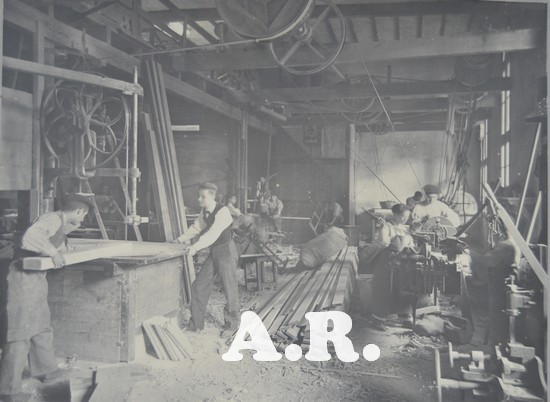 |
Carpintería |
 |
Torcería |
 |
Hojalatería |
 |
Cerrajería |
 |
Metalistería |
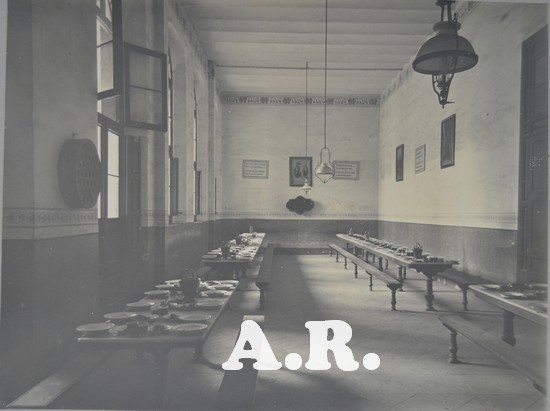 |
comedor |
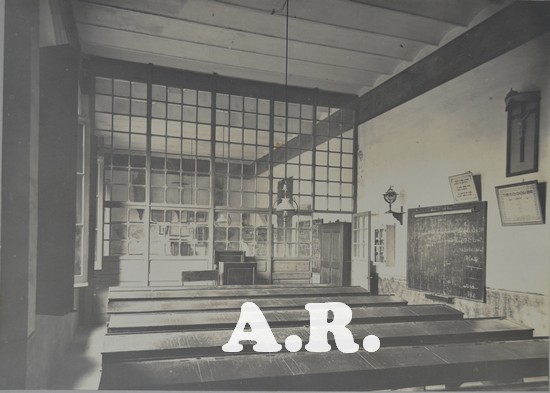 |
Sala de clase |
 |
Dormitorio |
 |
Sala de dibujo |
 |
Sala de fiesta |